


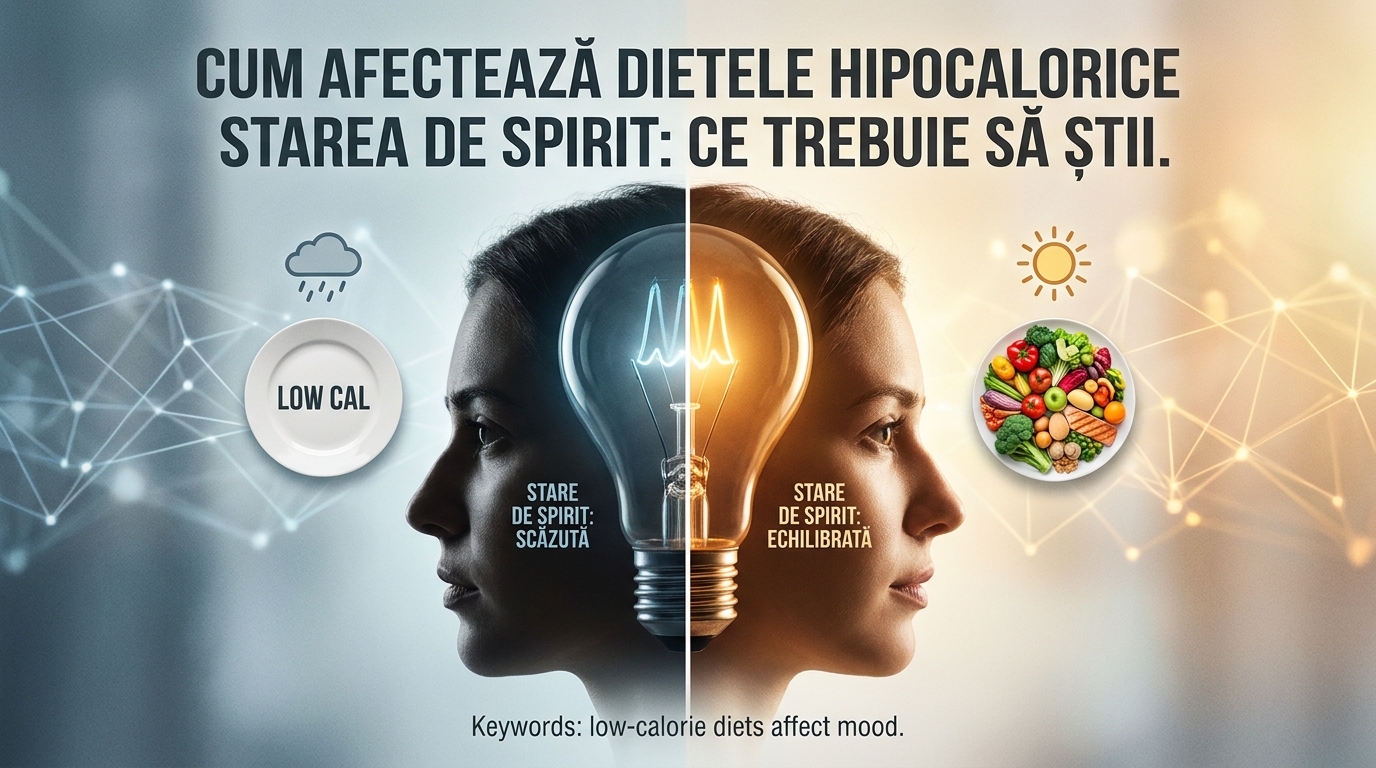
How Do Low-Calorie Diets Affect A Person’s Mood?
Embarking on a weight loss journey often involves cutting calories. While the focus is typically on the physical benefits—a smaller number on the scale or a better fit in your favorite jeans—the impact on your mental and emotional state is often overlooked. The connection between what you eat and how you feel is profound, and drastic changes, such as adopting very low-calorie diets, can significantly alter your mood, and not always for the better.
Understanding how caloric restriction affects your brain and body can help you make more informed decisions about your nutritional health.
The Brain’s Demand for Energy
Your brain is an incredibly energy-intensive organ, consuming about 20% of your body’s total calories, primarily in the form of glucose derived from carbohydrates. When you severely restrict your calorie intake, you limit the brain’s primary fuel source.
This energy deficit can lead to a range of cognitive and emotional symptoms. You might experience brain fog, difficulty concentrating, and a noticeable decrease in mental sharpness. More importantly, this lack of fuel can trigger irritability, impatience, and mood swings. That feeling of being “hangry” (hungry and angry) is a real physiological response to low blood sugar levels, which can disrupt the production of mood-regulating hormones.
Nutrient Deficiencies and Neurotransmitter Gaps
A healthy mood depends on a steady supply of neurotransmitters like serotonin and dopamine, often called the “feel-good” chemicals. The production of these vital messengers relies on specific nutrients found in food. Low-calorie diets, especially those that eliminate entire food groups, can easily lead to deficiencies that sabotage your mental well-being.
Key nutrients for mood regulation include:
- Tryptophan: An amino acid that is a precursor to serotonin. It’s found in protein-rich foods like turkey, eggs, and nuts.
- B Vitamins (especially B12 and Folate): These vitamins play a critical role in neurotransmitter synthesis. A lack of them is strongly linked to depression and fatigue.
- Omega-3 Fatty Acids: Essential for brain health and reducing inflammation, these healthy fats have been shown to help alleviate symptoms of depression.
When your diet is overly restrictive, you risk missing out on these essential building blocks, making it harder for your brain to maintain a stable, positive mood.
The Stress of Restriction
Beyond the biochemical effects, the psychological stress of maintaining a strict diet cannot be underestimated. Constantly counting calories, obsessing over food choices, and feeling deprived can take a significant mental toll. This can create a state of chronic stress, which elevates the body’s primary stress hormone, cortisol.
Elevated cortisol is linked to anxiety, sleep disturbances, and even increased cravings for the very high-calorie, sugary foods you’re trying to avoid. This creates a frustrating cycle where your diet increases your stress, and your stress sabotages your diet, all while negatively impacting your mood. This mental burden can also lead to social withdrawal, as you might avoid events centered around food, leading to feelings of isolation.
Finding a More Balanced Approach
While managing calorie intake is important for weight management, extreme restriction is often counterproductive to your overall health. A more sustainable and mood-friendly approach focuses on nutrient density rather than just calorie numbers.
To support your mental health while working toward your physical goals, consider these strategies:
- Prioritize Whole Foods: Build your meals around unprocessed foods like fruits, vegetables, lean proteins, and whole grains. These provide the vitamins, minerals, and fiber your body and brain need to thrive.
- Don’t Fear Healthy Fats: Incorporate sources of healthy fats like avocado, nuts, seeds, and olive oil. They are crucial for brain function and help keep you feeling full and satisfied.
- Include Complex Carbs: Instead of cutting out carbs entirely, choose complex carbohydrates like quinoa, sweet potatoes, and oats. They provide a slow, steady release of glucose to fuel your brain without the crash.
- Listen to Your Body: Pay attention to your hunger and fullness cues. Mindful eating can help you build a healthier relationship with food, reducing the guilt and anxiety often associated with low-calorie diets.
Ultimately, the goal is to nourish your body, not just restrict it. While low-calorie diets might promise quick results, their potential to negatively affect your mood and mental clarity is a significant drawback. A balanced, nutrient-rich eating plan is a more effective strategy for achieving long-term physical and mental well-being.
















Leave a comment